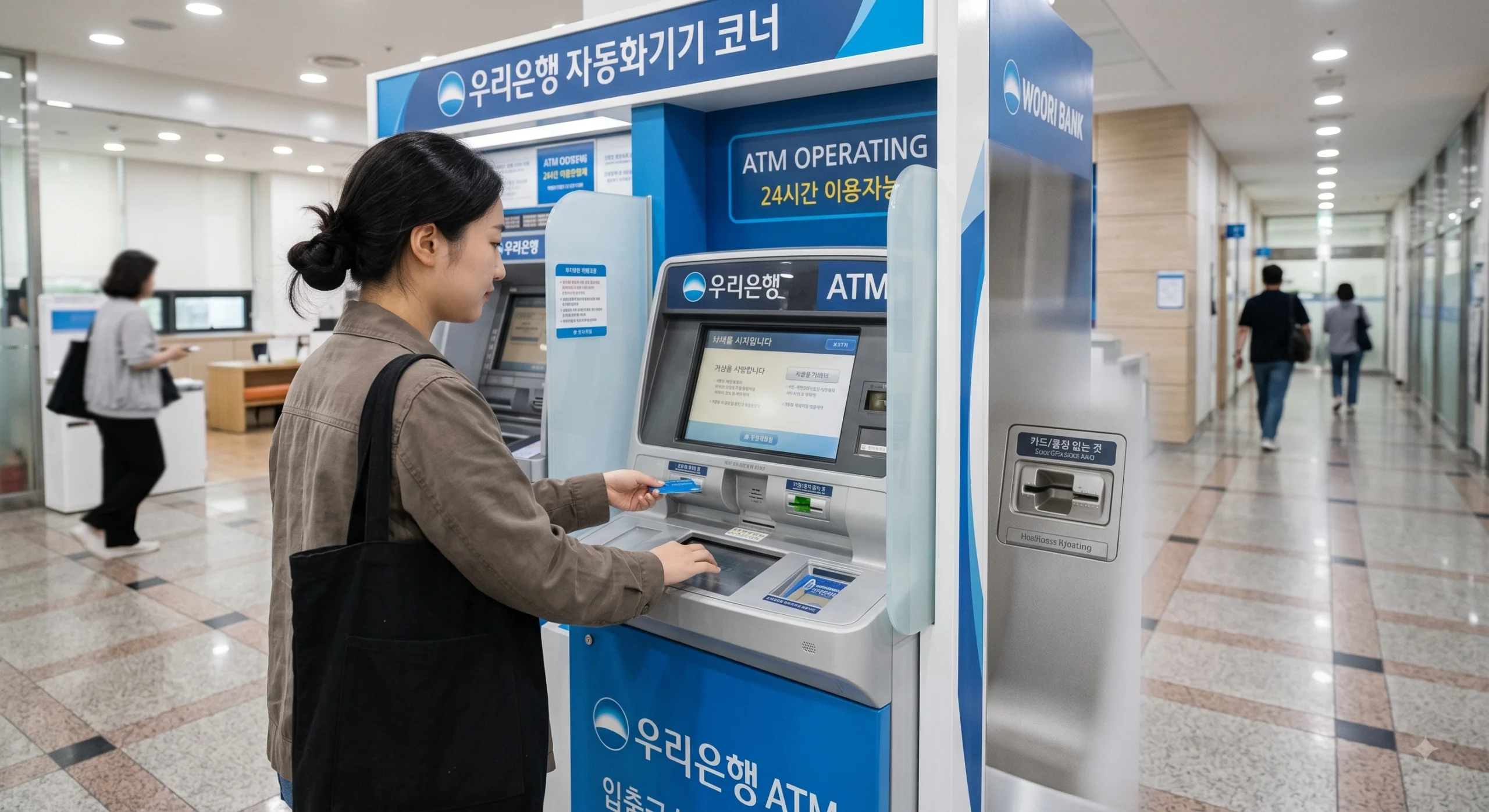
ATM Fees in Korea: The Insider Guide to Avoiding DCC and Hidden Charges
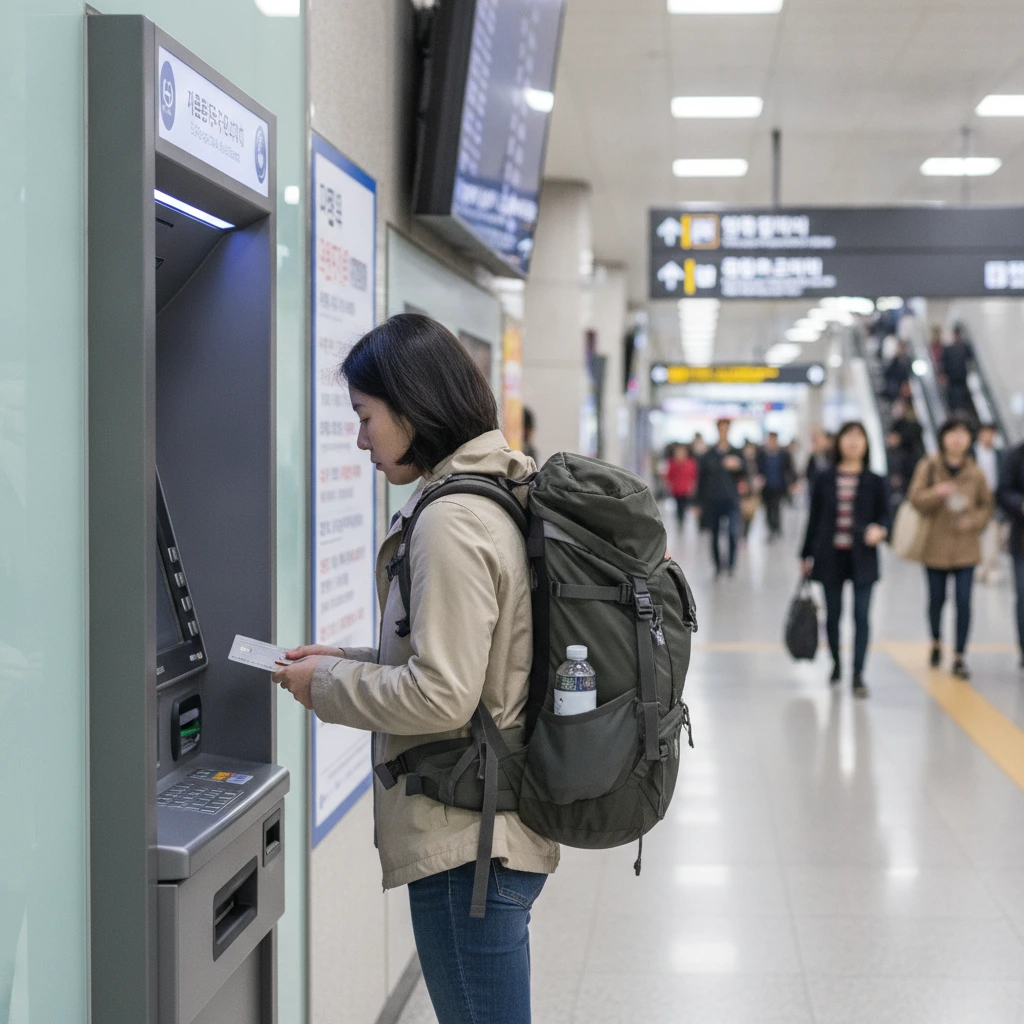
Navigating the financial landscape of Seoul can quickly become an expensive puzzle if you are swiping your foreign debit card blindly. Understanding ATM Fees in Korea is the absolute first step to keeping your hard-earned travel budget intact.
Transitioning to a new country means learning its money rules fast. Most travelers assume any cash machine on the street will work seamlessly, but that is a quick way to lose a significant percentage of your funds to terrible exchange rates and surprise charges.
Understanding ATM Fees in Korea: Global vs. Local Machines
Don’t just use any machine; we’ve found that bank-affiliated Global ATM (글로벌 ATM) terminals at major transit hubs like Seoul Station are much more reliable for foreign cards. Standard domestic ATMs will simply reject your card and spit it right back out. You must look for the “Global” sticker or the corresponding English button on the screen before attempting a withdrawal.
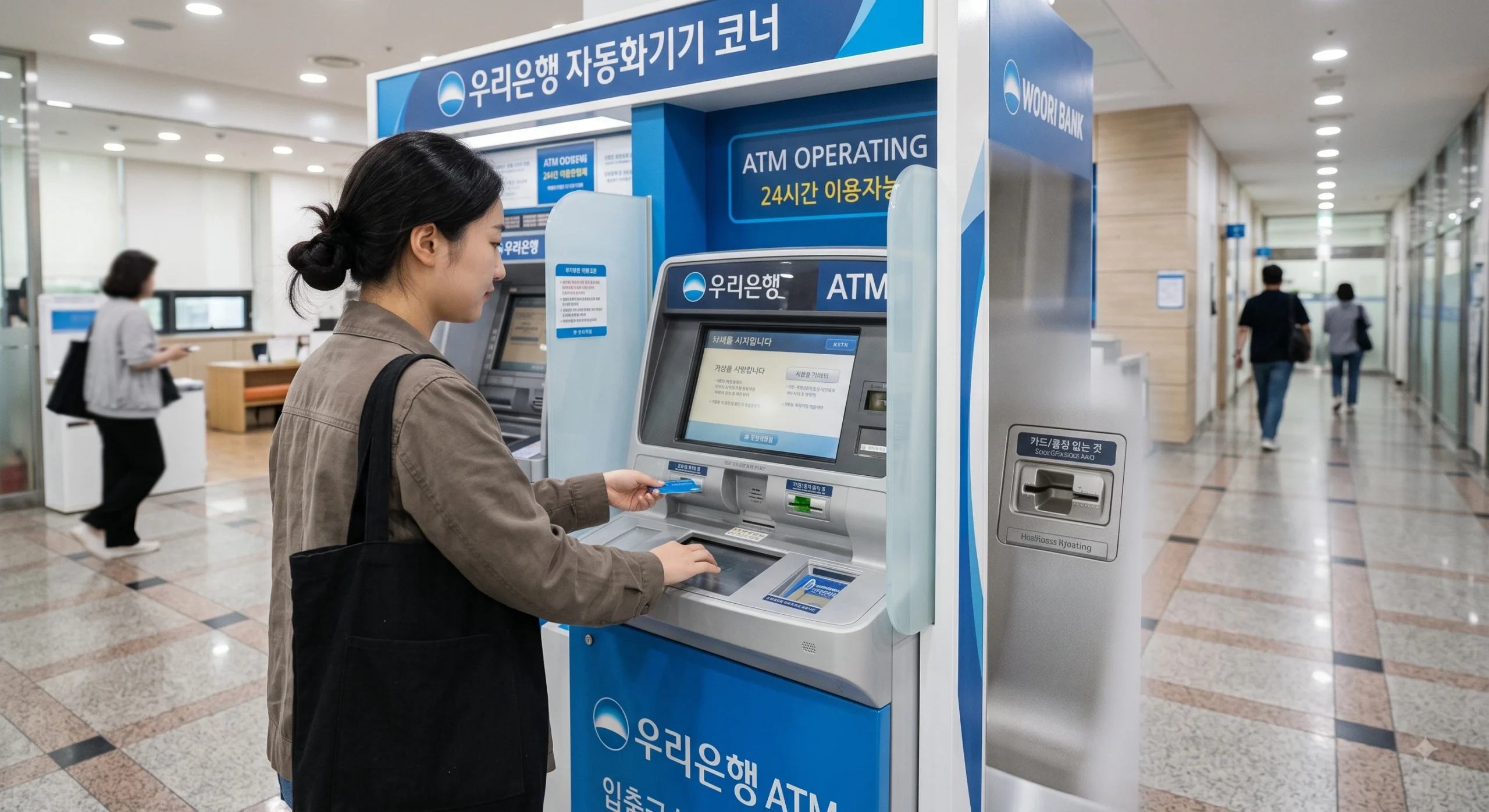
When you use an international machine, you are still subject to a flat Service Fee (수수료), usually ranging from 3,600 KRW to 4,000 KRW per transaction. To effectively minimize ATM Fees in Korea, withdraw the maximum daily amount allowed by your bank rather than making multiple small, frequent withdrawals.
⏰ Best Time to Visit: Utilize bank branch ATMs during standard business hours (typically 9:00 AM to 4:00 PM on weekdays). If you’re at a convenience store ATM after 10 PM, expect much higher service fees (수수료) than during daylight hours, alongside potential out-of-hours bank surcharges.
The DCC Trap: Don’t Let Currency Exchange Ruin Your Budget
Tourist Mistakes to Avoid: Never accept Dynamic Currency Conversion (DCC). When an ATM or credit card terminal asks if you want to be charged in your home currency (like USD or EUR) instead of KRW, always choose KRW. Accepting the machine’s “convenient” Currency Exchange (환전) rate allows the foreign bank to mark up the exchange rate by up to 10%.
Pro tip: when prompted on the screen, firmly click “Decline Conversion” to ensure your home bank sets the exchange rate. Avoiding the DCC trap is just as critical as minimizing direct ATM Fees in Korea when finalizing your cash withdrawals.
2026 Cashless Trend: WOWPASS and Travelog
Korea is rapidly cementing its status as a fully cashless society in 2026. Setting up a localized card system is an absolute necessity before you start heavily exploring the peninsula.
What Locals Actually Do: Instead of pulling out heavy stacks of cash, seasoned travelers and locals use integrated prepaid cards like WOWPASS (와우패스) or Travelog. You can top these up using your foreign currency at specialized kiosks in hotels and subway stations, skipping the standard ATM Fees in Korea altogether.
Better yet, these cards seamlessly double as T-Money transit cards. When moving between cities or booking regional train tickets on Korail (코레일) via navigation apps like Naver Map (네이버 지도), a loaded WOWPASS ensures you can tap in and out of the gates instantly. For more comprehensive insights on navigating Seoul and traveling between provinces, explore our Travel & Transportation section.
While digital payments dominate, you still need physical won for specific scenarios. Traditional markets (전통시장), such as Gwangjang Market or local pojangmacha (street food tents), heavily rely on physical cash or direct local bank transfers.
Navigating Long-Term Stays and ATM Fees in Korea
For remote workers relocating this year, the newly updated 2026 Digital Nomad Visa (디지털 노마드 비자 / 워케이션 비자) introduces highly anticipated lowered income requirements for those settling outside of the Seoul capital area.
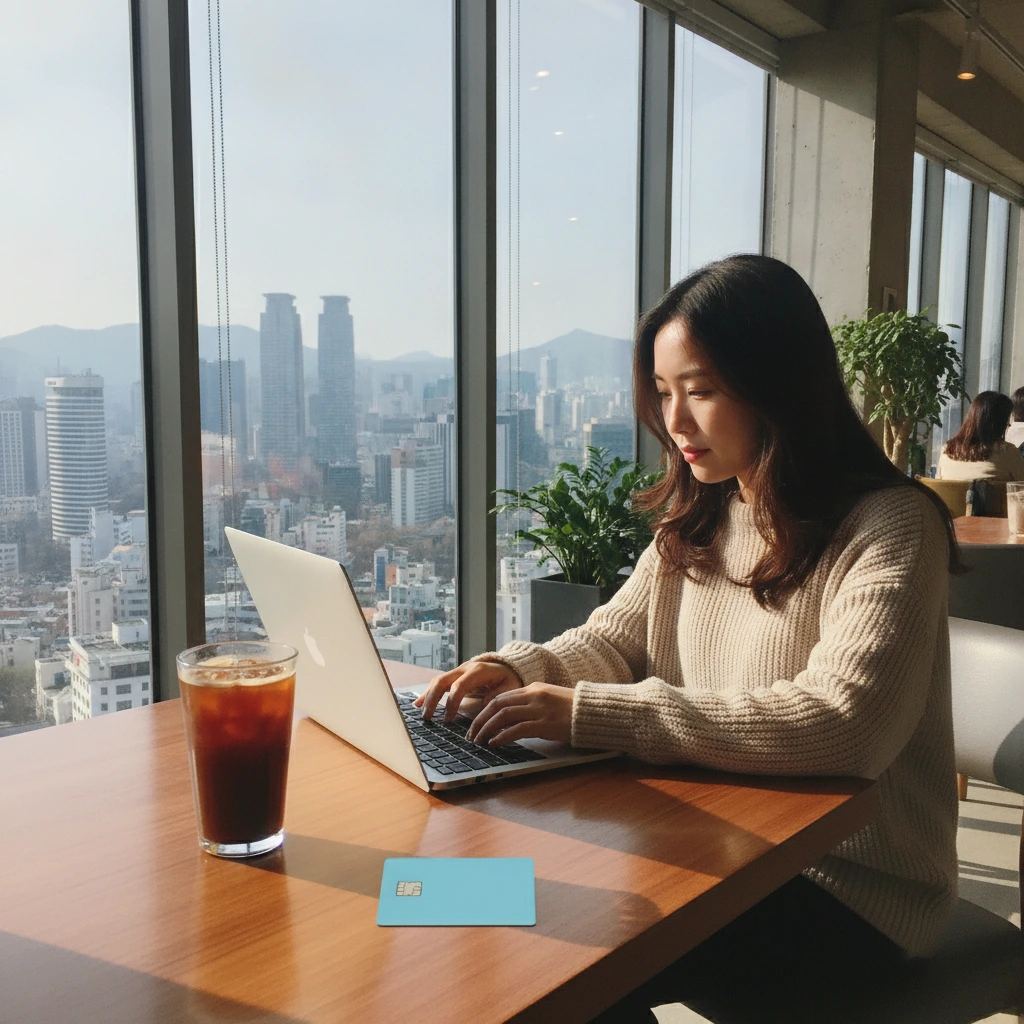
If you hold this F-1-D status, establishing a reliable, low-cost financial system is a top priority. Relying exclusively on foreign debit cards and paying daily ATM Fees in Korea will quickly drain your resources over a 12-to-24-month stay. Expats highly recommend opening a local resident bank account to access fee-free domestic transfers via local banking apps.
For a deeper dive into qualifying for this newly adjusted status and managing everyday life as an expat, check out our dedicated Visa & Career resources. Securing your local banking setup early will permanently solve the headache of navigating ATM Fees in Korea, freeing up your energy to focus entirely on your work and travels.